


Choosing the right earrings for children is more important than many parents realise — especially during first piercings and healing .
Two of the most common materials you’ll see are titanium and surgical steel. While both are often marketed as “safe” or “hypoallergenic,” they are not equally suitable for sensitive skin.
Understanding the difference can help prevent irritation, allergic reactions, and long-term sensitivity.

Why earring material matters for kids
Nickel allergy is a skin reaction that occurs when the immune system reacts to nickel, a metal commonly used in jewellery and metal alloys.
When a child with a nickel sensitivity wears earrings or jewellery containing nickel, their skin may react with irritation, even if the exposure is small.
This is especially common in earrings because the metal is in direct and prolonged contact with the skin.
Symptoms of nickel allergy in children
Children’s skin is more sensitive than adults, especially after ear piercing when the skin is still healing.
Poor material choices can lead to skin reactions such as :
- redness and irritation
- itching or discomfort
- delayed healing
- metal sensitivity over time
What is surgical steel?
“Surgical steel” is a general term used in jewellery and medical tools, but it is not a single defined grade.
Most commonly, it refers to stainless steel alloys such as 316L or 304. While these are durable and resistant to rust, they may still contain small amounts of nickel, which is a common trigger for skin allergies.
Pros of surgical steel:
• Affordable
• Strong and durable
• Widely available
Cons for kids’ earrings:
• May contain nickel (even in small traces)
• Not always suitable for highly sensitive skin
• “Hypoallergenic” claims are not strictly regulated
For children prone to irritation, surgical steel can still cause reactions.
What is titanium?
Titanium is a lightweight, hypoallergenic and biocompatible metal widely used in medical implants because of its high tolerance in the human body.
Medical-grade or implant grade titanium used in earrings is typically nickel-free, making it significantly more suitable for sensitive skin.
Pros of titanium:
• Extremely low allergy risk
• Nickel-free (medical-grade options)
• Lightweight and comfortable
• Excellent for healing piercings
Cons of titanium:
• Higher cost than surgical steel
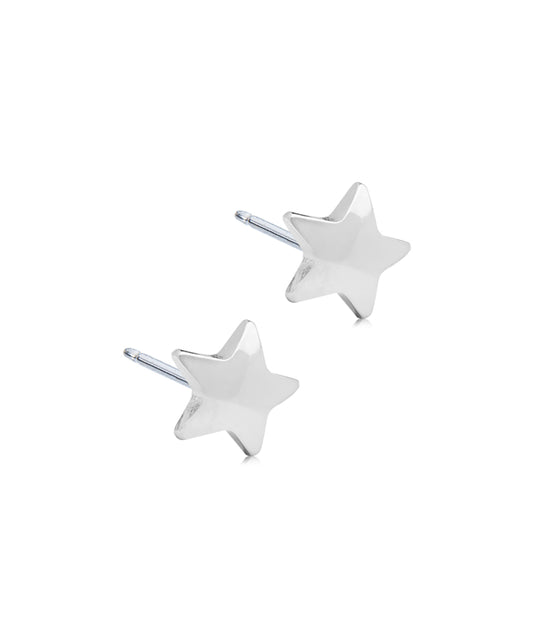
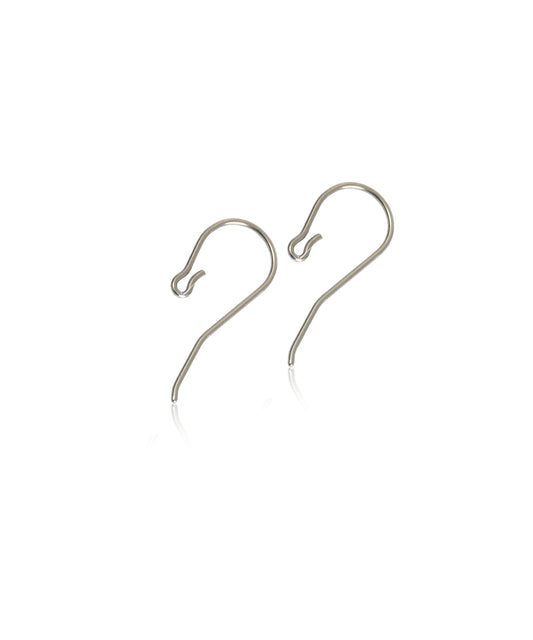
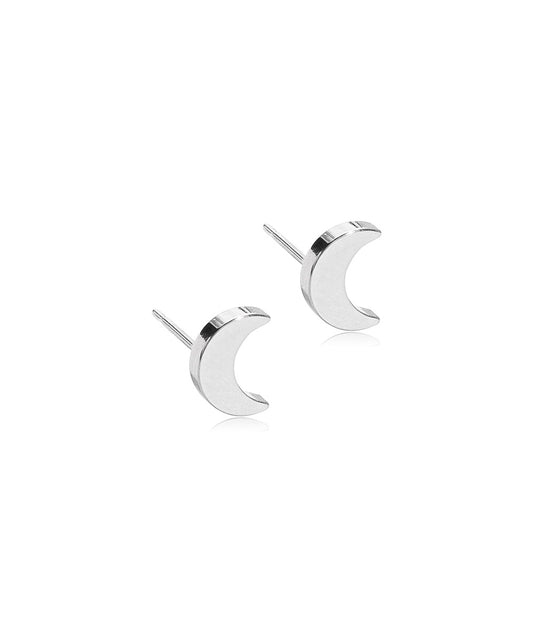
• Not all titanium is the same: Titanium earrings come in different grades and purities. Some contain additional metals, while Blomdahl hypoallergenic titanium earrings uses medical-grade pure titanium (ASTM F67), without added alloying metals.
Titanium vs surgical Steel : Key differences
Surgical Steel
Nickel Content
None (medical grade)
6-18% nickel content
Allergy Risk
Very low
Moderate risk to sensitive skin
Weight
Super lightweight
Heavier
Best for kids
Yes (especially for first earrings)
Not always suitable
Healing piercings
Highly recommended
Not always suitable
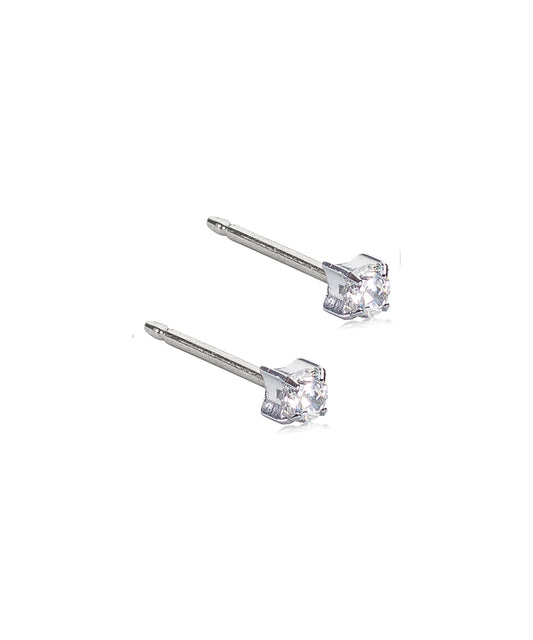
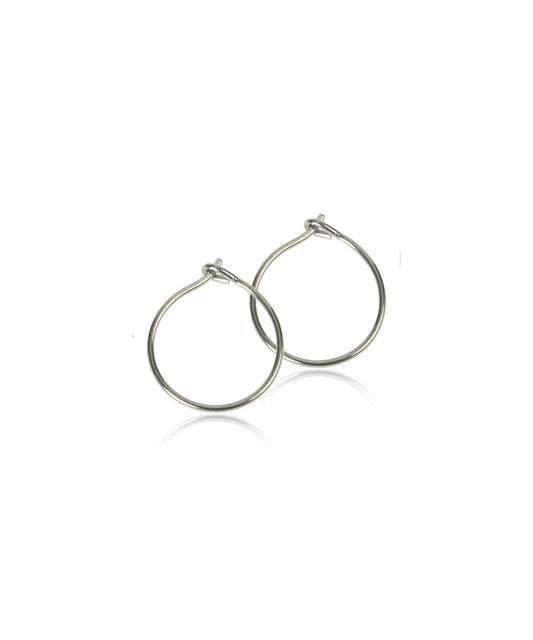
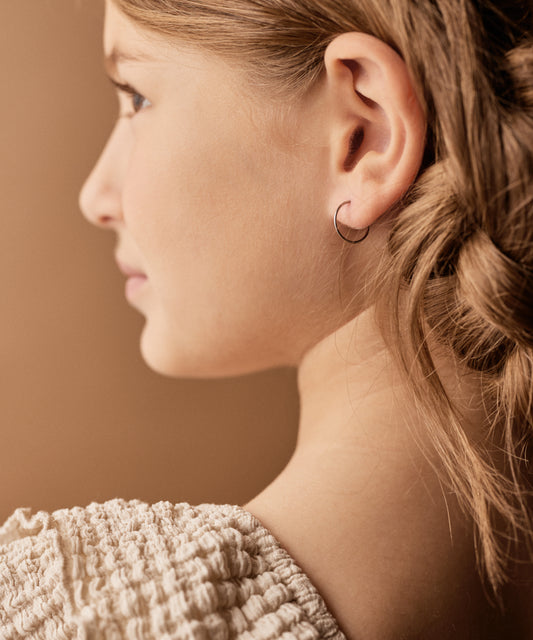
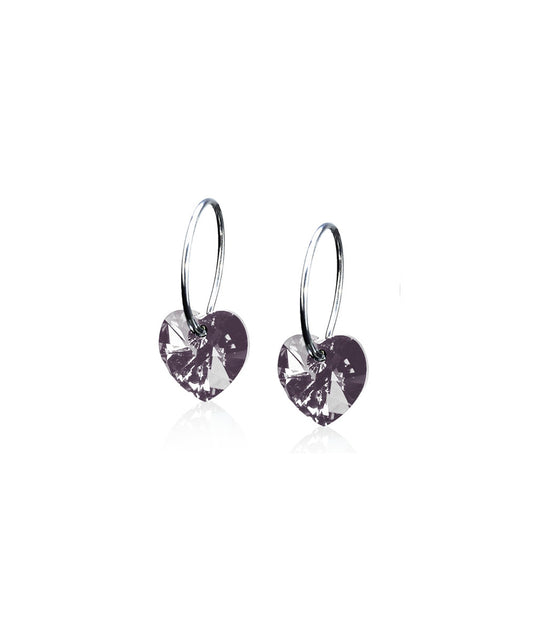
Shop Titanium Earrings





Which is safer for kids’ earrings?
For most children — especially during first piercings and healing — titanium is generally the safer choice.
This is because:
- it is biocompatible
- it reduces the risk of allergic reactions
- it is commonly used in medical applications
- it supports smoother healing outcomes
- safe choices for sensitive ears
Surgical steel may still work for some children, but it is less predictable due to potential nickel content.
Why “hypoallergenic” labels can be misleading
Many earrings are labelled “hypoallergenic,” but this term is not strictly regulated in many markets.
This means:
• products can still contain allergenic metals
• safety levels can vary widely between brands
• reactions may still occur even with “safe” labels
This is why material transparency matters more than marketing terms.
A safer approach for children’s first earrings
When choosing earrings for kids, especially first piercings, look for:
- medical-grade titanium
- verified nickel-free materials
- products designed specifically for sensitive skin
- controlled manufacturing standards
Brands like Blomdahl focus on high quality, medical-grade materials designed for skin safety, making them a preferred option for sensitive ears and children’s first earrings.
Final takeaway
Both titanium and surgical steel are widely used in earrings, but they are not equally safe for all children.
• Titanium is generally the safer, more reliable option for sensitive ears and healing piercings.
• Surgical steel can work in some cases, but carries a higher risk of irritation due to possible nickel content.
For parents, the key is not just style — it’s skin compatibility, especially during the first piercing experience.
Choosing the right material early can make the difference between ongoing irritation and a positive lifelong relationship with earrings.


